THE SCAPEGOAT
Looking at Your Life Through the Lens of ADHD
I use this phrase a lot—and for good reason. When you begin to see your experiences through the ADHD lens, so much of your life suddenly makes sense. In this post, I’m highlighting one painful but common experience: being the family scapegoat.
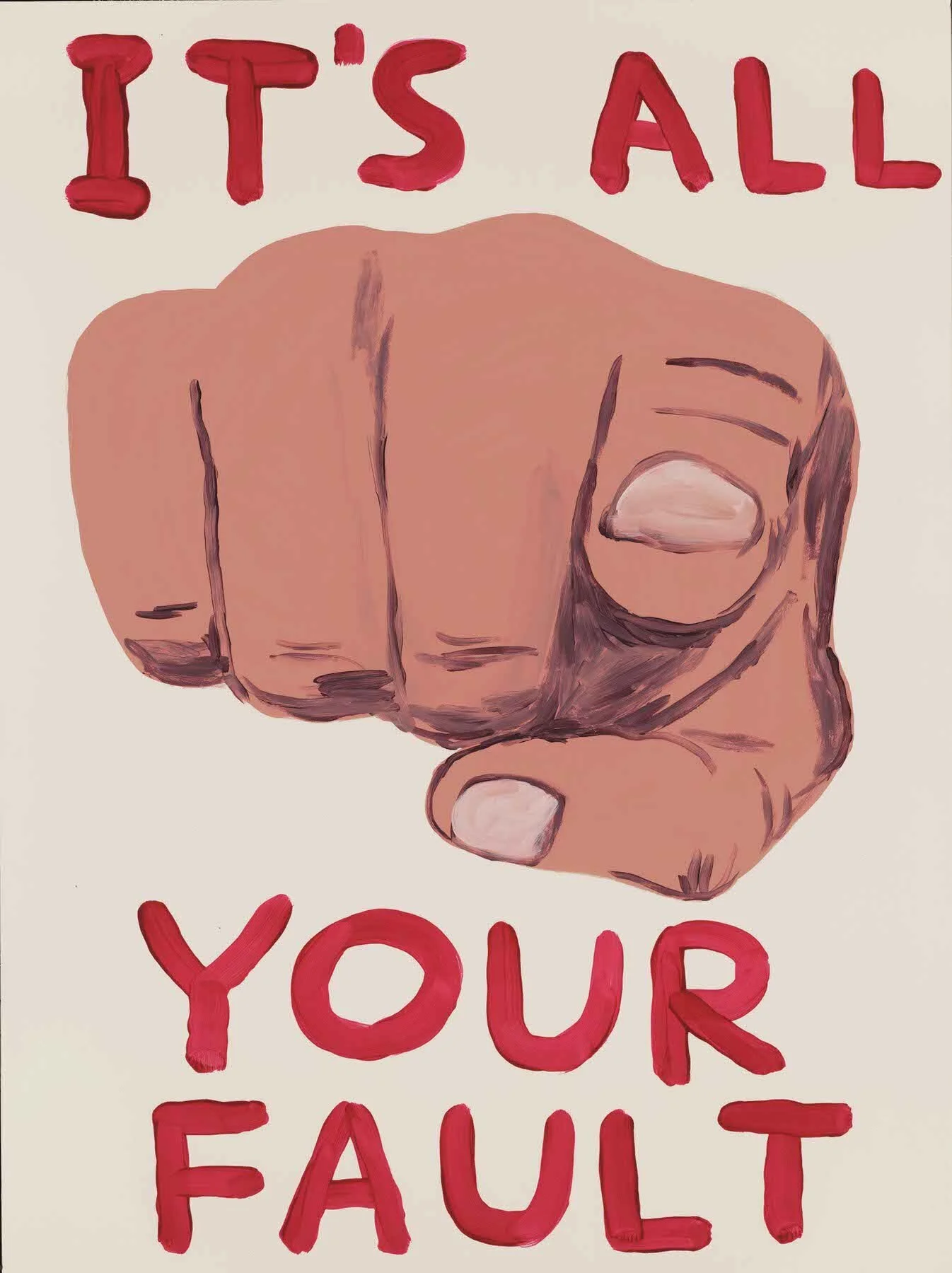
ADHD and the Scapegoat Role
People with ADHD are uniquely vulnerable to becoming the family scapegoat—the one blamed, criticized, or singled out as “the problem.”
Were you?
Did you grow up hearing things like:
“Why can’t you just…?”
“Why are you so lazy?”
“Can’t you think of anyone besides yourself?”
“You’re selfish.”
Maybe you had stimming behaviors and were teased for them. Maybe you were repeatedly told to “be normal,” “stop overreacting,” or “just calm down.” When you live in a family that doesn’t understand ADHD—and especially when multiple members likely have ADHD but were never diagnosed—chaos, distraction, emotional reactivity, and inconsistency become the household “norm.” Someone ends up taking the blame. Often, it’s the child whose symptoms are the most visible.
How the Scapegoat Pattern Begins
In families with undiagnosed ADHD, there’s usually a mix of overwhelm, impulsivity, emotional intensity, and disorganization. Without an explanation for any of it, the family system starts assigning responsibility for the tension. The child who is more sensitive, more outspoken, more forgetful, or more easily dysregulated becomes the lightning rod.
Not because they deserve it.
Not because they’re doing anything wrong.
But because the adults didn’t have another framework.
The Messages You Absorbed Stick Around
Being blamed as a child for behaviors and challenges rooted in ADHD doesn’t stay in childhood—it grows up with you.
Many of my clients come into my office carrying decades of messages like:
• “I’m too much.”
• “Everything is my fault.”
• “I ruin things.”
• “If something goes wrong, it must be because of me.”
• “I have to be perfect or people will be angry.”
These beliefs don’t appear out of nowhere. They’re learned in environments where the child with ADHD becomes the default culprit
simply because the adults didn’t understand what they were seeing.
The Scapegoat as the Truth Teller
Another layer: the scapegoated child is often the one who notices the dysfunction and names it. They ask questions. They react. They push back. They don’t quietly absorb what doesn’t make sense.
In families where chaos feels “normal,” that child becomes the problem—not because they’re wrong, but because they’re accurate.
What Happens When You Revisit Your Story Through the ADHD Lens
This is where the healing begins.
When adults with ADHD revisit their childhood with new understanding, several shifts often occur:
1. You realize the criticism wasn’t about your character.
It was about symptoms—symptoms no one recognized or understood.
2. You see that the family system was overwhelmed.
Your behavior stood out, but it wasn’t the cause of family problems.
3. You begin to separate who you are from what you were told you were.4. You stop carrying responsibility that never belonged to you.
Looking back through the ADHD lens allows you to reassign blame, reframe your memories, and reclaim parts of yourself that were buried under years of misunderstanding.
If This Was You, You’re Not Alone
So many adults with ADHD walk around with a lifelong sense of “wrongness” that originated in childhood dynamics they never understood. If this resonates, it doesn’t mean you’re broken or flawed. It means you were a child doing the best you could in an environment that didn’t have the language, tools, or awareness to support you.
Understanding this isn’t about blaming your family—it’s about freeing yourself.
If this feels familiar, you’re not alone—and you don’t have to untangle it by yourself.
I help adults with ADHD understand their patterns with clarity and compassion.
If you’d like support, you can learn more or schedule a consultation on my website.
Sue Rapp, LCSW, is a therapist specializing in ADHD across the lifespan, with a focus on supporting adults—especially women balancing careers, families, and the invisible weight of neurodivergence. She helps clients understand their patterns, reduce self-criticism, and build practical systems that actually work for the ADHD brain.